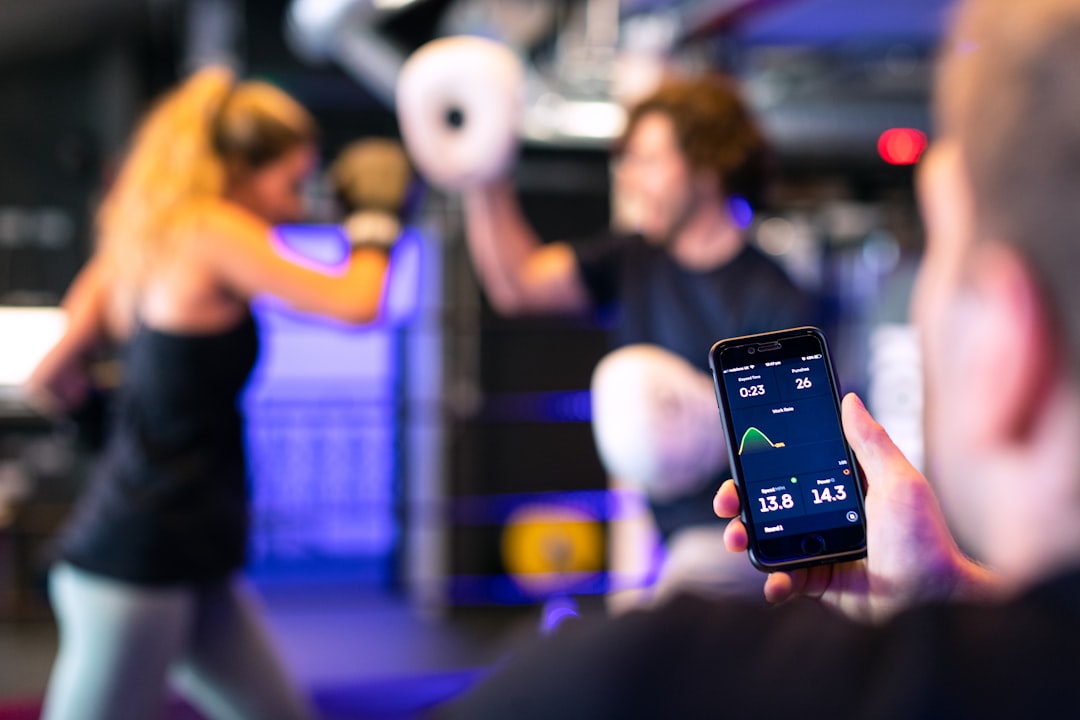
Finding the best workout apps can feel like tackling a new game’s skill tree—overwhelming, with countless paths and no clear starting point. For gamers, physical fitness isn’t just about health; it’s a real-life stat boost. Improved endurance for marathon sessions, faster reaction times for clutch plays, and enhanced focus to out-strategize opponents are all buffs unlocked through physical training. This guide is your tactical playbook, designed to help you select and deploy the right workout app to level up your physical stats and, in turn, your in-game performance.
Why Your Real-Life Stats Matter: The Gamer’s Edge
Viewing your physical health through a gaming lens clarifies its importance. Think of your body as your ultimate hardware. Just as you’d optimize a PC for peak performance, optimizing your physical condition yields tangible benefits in any competitive environment, digital or tabletop.
Improved physical fitness directly translates to cognitive buffs. Exercise increases blood flow to the brain, enhancing functions like memory, focus, and decision-making speed. This means sharper callouts in a team fight, better long-term planning in a strategy game, and quicker puzzle-solving. It’s the difference between seeing a play and executing it flawlessly.
Furthermore, building physical endurance is crucial for the grind. Whether you’re in a weekend-long tournament or a late-night raid, fatigue is a primary cause of unforced errors. A well-conditioned body resists mental and physical exhaustion, allowing you to maintain peak performance for longer. Conversely, a sedentary lifestyle can actively nerf your reaction time and dull your reflexes, leaving you a step behind the competition.
The Pre-Game Lobby: Choosing Your Best Workout Apps
Before you download the first app you see, you need a strategy. The “best” app is entirely dependent on your personal objectives, available equipment (your “loadout”), and budget. This is the preparation phase where you define your mission and choose the right tool for the job.
Defining Your Objective: What’s Your Fitness Quest?
Just like speccing a character, you need to decide on your primary fitness goal. Most gamers will benefit from a hybrid build, but focusing on one area initially provides the fastest results.
- Strength Build (Strength Training): This path focuses on building muscle and strength. Why it matters for gamers: Improved posture from a stronger back and core reduces pain and fatigue during long sessions. Overall strength also boosts metabolic health, providing more stable energy levels.
- Agility Build (HIIT & Cardio): This build prioritizes cardiovascular health and explosive movement. Why it matters for gamers: High-Intensity Interval Training (HIIT) is scientifically proven to improve cognitive function and reaction time. Better cardio means more efficient oxygen delivery to your brain, keeping you sharp under pressure.
- Flexibility Build (Yoga & Mobility): This spec is all about increasing range of motion and preventing injury. Why it matters for gamers: It directly counters the negative effects of sitting for hours, mitigating risks of repetitive strain injuries (RSI) like carpal tunnel and back pain.
- F2P vs. Premium (Free vs. Paid Apps): Consider your budget. Many free apps offer a fantastic “base game” experience. Premium apps are like DLCs, offering advanced features, personalized coaching, and more content for a monthly subscription.
The Tactical Playbook: A Deep Dive into the Best Workout Apps for Gamers
With your objective defined, it’s time to execute. We’ve analyzed the current meta and selected the top-tier apps for different player builds. Each review is a mini-walkthrough designed to get you from installation to your first “victory screen” (a completed workout).
Fitbod: The Procedurally Generated Strength Quest
Objective: Fitbod is the ideal choice for gamers focusing on a Strength Build. It excels at creating personalized, data-driven strength training programs that adapt after every session. Think of it as a procedurally generated dungeon crawl for your muscles; each workout is unique but perfectly tailored to your current level and gear.
Preparation (Key Features):
- AI-Powered Workouts: The app’s algorithm designs your workout based on your logged history, targeting fresh muscle groups to ensure balanced development and proper recovery.
- Equipment Profiles: You tell the app what gear you have—from a full gym to just your bodyweight—and it generates workouts you can actually perform.
- Detailed Exercise Instructions: Each movement comes with high-quality video demonstrations and written cues, minimizing the risk of bad form.
- Advanced Progress Tracking: It logs every set, rep, and pound lifted, providing clear data on your “XP” gains over time.
The Strategy (Effective Execution):
- Initial Setup & Calibration: The first step is crucial. Accurately input your fitness goals (e.g., “Strength Training”), experience level, and available equipment. This initial data informs the entire algorithm.
- Executing the Daily Quest: Open the app to receive your generated workout. Pay close attention to the recommended sets, reps, and weight. The “Replace Exercise” feature is your friend—if a machine is taken or an exercise feels wrong, use it to swap in an effective alternative.
- Logging Your Loot (Progress): This is non-negotiable. After each set, log your reps and weight precisely. If you successfully completed all sets, the app will increase the difficulty next time. This feedback loop is how you “level up.”
- Adapt the Build: Use the “Muscle Recovery” chart on the profile page to see which parts of your body are fresh or fatigued. You can manually generate a workout targeting specific muscle groups if you want to deviate from the main quest.
Common Pitfalls: The biggest mistake is “ego lifting”—using more weight than recommended and sacrificing form. The algorithm works best with honest data. Another pitfall is skipping the warm-up sets the app suggests; they are critical for injury prevention.
Peloton App: The Live Raid with a Pro Shot-Caller
Objective: The Peloton App is the top-tier choice for an Agility Build. While famous for its bike, the app is a standalone powerhouse offering thousands of high-energy, instructor-led classes for HIIT, running, and cycling. It’s like joining a raid where an expert shot-caller guides and motivates you through the entire encounter.
Preparation (Key Features):
- Live & On-Demand Classes: A massive library of workouts available anytime, with a schedule of live classes that adds a layer of community and accountability.
- World-Class Instructors: The coaches are the main draw. They are experts at programming, cueing, and, most importantly, motivating you to push past your limits.
- Curated Playlists: Every class features a killer playlist synced to the workout’s intensity, making the experience more engaging and fun.
- Structured Programs: Follow multi-week programs designed to help you achieve specific goals, like improving your 5k time or mastering HIIT basics.
The Strategy (Effective Execution):
- Filter for Your Mission: Use the robust filter system to find the perfect class. You can filter by instructor, class length, music genre, and difficulty. Start with shorter, beginner-level classes to learn the instructors’ styles.
- Commit to a Program: The best way to see progress is to enroll in a structured program. This removes the guesswork and provides a clear path forward, much like a campaign questline.
- Schedule Your Raids: Treat live classes or your planned on-demand sessions like a scheduled raid time. Put it in your calendar and show up ready to perform. The social pressure of a live leaderboard can be a powerful motivator.
- Use the “Stack” Feature: You can create a playlist of classes to run back-to-back. A common stack is a 10-minute warm-up, a 20-minute HIIT class, and a 5-minute cooldown stretch.
Common Pitfalls: It can be tempting to jump into advanced classes too soon, leading to burnout or injury. Respect the difficulty ratings. Another issue is analysis paralysis from the sheer volume of content; using programs and favoriting instructors helps narrow the choices.
Down Dog: The Customizable Skill Tree for Flexibility
Objective: For any gamer looking to implement a Flexibility Build, Down Dog is unparalleled. It offers highly customizable yoga, barre, and mobility practices. Instead of static videos, it generates a unique practice every time based on your chosen parameters, acting like a deep skill tree where you control every aspect of the build.
Preparation (Key Features):
- Extreme Customization: Choose the style of yoga, session length, difficulty level, body part focus (e.g., “Hips” or “Backbends”), and even the instruction speed and background music.
- Clear, Concise Instruction: The audio cues are perfectly timed with the generated animations, making it easy to follow without constantly looking at the screen.
- Multiple Disciplines: One subscription gives you access to their full suite of apps, including Yoga, HIIT, Barre, and Meditation.
- Offline Functionality: Download practices in advance so you can complete your session even with an unstable internet connection.
The Strategy (Effective Execution):
- Calibrate Your Practice: Start by experimenting with the settings. A great starting point for gamers is a 15-minute, Level 1 “Restorative” practice with a “Full Body” or “Upper Body” boost. This is perfect for a post-gaming cooldown.
- Focus on a “Boost”: The “Boost” feature is your primary tool for targeting problem areas. If your back is sore from your chair, apply the “Back Strength” boost for a few weeks. If your wrists are tight, use the “Wrists” boost.
- Create a Pre-Game Ritual: Use a short, 5-10 minute “Gentle” practice as a warm-up before a long gaming session. This primes your body, improves blood flow, and focuses your mind.
- Explore Different Styles: Don’t just stick to one type of practice. Use “Vinyasa” on days you want more energy and “Yin” or “Restorative” on recovery days to work on deep connective tissues.
Common Pitfalls: Pushing too deep into stretches too quickly. Flexibility is a long-term grind, not a speedrun. Listen to your body and back off if you feel sharp pain. Another common mistake is not using the customization features and just hitting “start,” missing the primary strength of the app.
The Meta-Strategy: Integrating Fitness into Your Gaming Routine
Having the best workout apps is only half the battle. The real challenge is integrating them into your established lifestyle. You need a meta-strategy that makes fitness a sustainable part of your routine, not a temporary distraction.
Farming XP: Consistency is the Key
Treat your workouts like daily quests in an MMO. They are non-negotiable tasks you complete to earn XP for your real-life character. Schedule them in your calendar. The most effective time is often before a gaming session, as it primes your brain and body for peak performance. Rest days are your “maintenance periods”—crucial for your body to repair and get stronger.
The Best Strategy to Win at a Game… And in the Gym
The mindset that makes a great gamer is the same one that builds a strong, healthy body. The best strategy to win at a game involves identifying your weaknesses, studying the mechanics, and executing a plan with discipline and consistency. Apply this exact logic to your fitness.
Is your weakness poor posture? Your plan is to use Down Dog for back-strengthening yoga. Is your weakness mental fatigue in long matches? Your plan is to use Peloton for HIIT to build cardiovascular endurance. Track your progress, analyze what’s working, and adjust your strategy—just like you would after reviewing a VOD of a lost match.
Avoiding the “Game Over” Screen: Common Pitfalls for Gamers
Gamers are prone to a few specific failure states when starting a fitness journey. The first is overtraining—trying to go from a sedentary lifestyle to working out six days a week. This is the equivalent of trying to clear a mythic raid with level 1 gear; it leads to burnout and injury. Start with 2-3 sessions per week and build from there.
Another pitfall is ignoring form. In gaming, button-mashing with bad technique is inefficient. In the gym, lifting with bad form is dangerous. Watch the instructional videos. Record yourself if you have to. Prioritize mastering the mechanic of the movement before you add more weight or speed.
FAQ: Your Questions Answered
-
Can I get fit using only free workout apps?
-
Absolutely. Think of it as a “Free-to-Play” (F2P) challenge. An app like Nike Training Club (NTC) offers a massive library of high-quality, guided workouts completely for free. You can build an incredible base of strength, agility, and endurance without spending a dime. The primary advantage of premium apps is often personalization (like Fitbod’s algorithm) or the high production value and community of instructor-led classes (like Peloton). But the F2P path is 100% viable if you bring your own motivation and discipline.
-
How much time do I need to work out to see an improvement in my gaming?
-
You don’t need to train like a pro athlete. The law of diminishing returns is very real. The biggest gains come from moving from a completely sedentary lifestyle to a moderately active one. Aim for 20-30 minutes of focused exercise, 3 to 4 times per week. You’ll likely notice cognitive benefits like improved focus and energy within the first couple of weeks. Tangible improvements in reaction time and endurance will build steadily over a few months. Consistency is far more important than intensity or duration.
-
What’s the best workout app for someone who sits all day?
-
For anyone who spends hours in a gaming chair, the optimal choice is an app that focuses on correcting the “nerfs” of a sedentary posture. Down Dog is a top-tier choice because of its specific boosts for “Back Strength,” “Hips,” and “Shoulders,” which directly target the most common problem areas. A close second would be any app with a strong library of mobility and full-body strength training, like Nike Training Club. The goal is to strengthen the posterior chain (glutes, hamstrings, back) and open up the anterior chain (hips, chest).
-
Do I need a lot of expensive equipment to use these apps?
-
No. This is a common misconception that serves as a barrier to entry. Every app mentioned in this guide has robust bodyweight-only options. You can start with zero equipment and achieve significant results. Apps like Fitbod and NTC even allow you to input the specific equipment you have, whether it’s just a single pair of dumbbells or a full home gym, and they will tailor the workouts accordingly. Your body is the only piece of equipment you truly need to start.
Conclusion
Viewing your fitness journey as a new game to master reframes it from a chore into a challenge. Your objective is clear: to upgrade your real-life stats to gain a competitive edge. Your preparation involves choosing the right tool—the best workout apps for your specific build, whether it’s strength, agility, or flexibility. The strategy is to execute with consistency, track your progress, and adapt your plan based on the data.
The link between physical conditioning and gaming performance is not a theory; it’s a core mechanic of human biology that top-tier esports athletes have been exploiting for years. You now have the tactical playbook. The next move is yours.
Be sure to comment below if this article helped you!
Leave a Reply