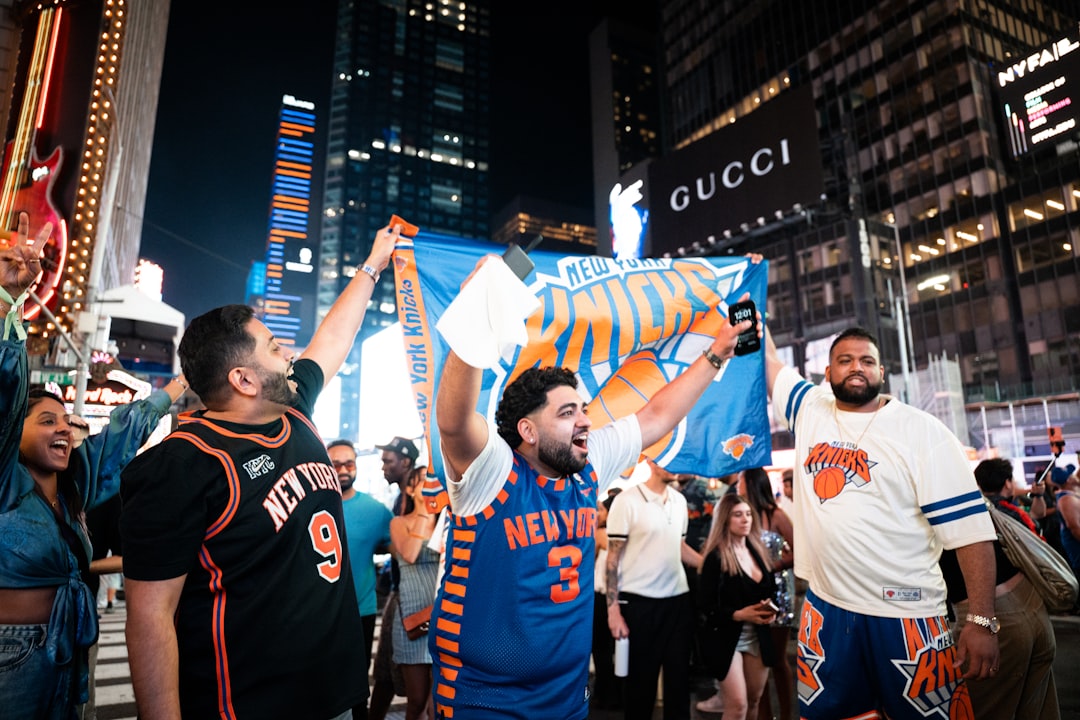
You’ve asked the question that echoes through Madison Square Garden and sports bars across New York City: did the Knicks win the championship? The historical record is clear: Yes, the New York Knicks have won two NBA championships, in 1970 and 1973. Those victories, led by legends like Willis Reed, Walt “Clyde” Frazier, and Dave DeBusschere, are etched in basketball history. However, for the modern fan, that victory screen feels like a level from a classic retro game—nostalgic, but not part of the current meta. The real challenge, the ultimate “boss battle” for today’s Knicks enthusiast, is ending the modern drought.
At Beat That Level!, we transform daunting challenges into tactical playbooks. This guide will reframe the quest for a Knicks title as the ultimate sports simulation scenario. We will provide a step-by-step walkthrough for achieving this goal in the most popular basketball simulation game, NBA 2K24. Using the MyNBA mode, you can take control and pilot the franchise to the championship that has eluded them for over half a century. This is your tactical guide to finally answering the question yourself.
Understanding the Challenge: Why is a Knicks Championship Run So Difficult?
Before you can achieve victory, you must understand the initial difficulty settings of the “New York Knicks” scenario. In NBA 2K24, the team is competitive but fundamentally flawed, making a championship run a high-level strategic challenge. They are caught in the league’s difficult middle ground: good enough to make the playoffs but lacking the elite firepower to defeat the game’s “final bosses.”
The roster’s core mechanics present a complex puzzle. You have a primary offensive engine in Jalen Brunson, whose in-game stats for playmaking and clutch shooting are elite. However, the team lacks a true second superstar, a consistent “Player 2” to rely on when the difficulty ramps up in the playoffs. Players like Julius Randle have high offensive ratings but come with volatility and lower efficiency stats, making them a high-risk, high-reward asset. This roster composition is the central problem you must solve.
Furthermore, the competitive landscape of the Eastern Conference is a gauntlet. To even reach the NBA Finals, you must overcome multiple boss-tier teams like the Boston Celtics, Milwaukee Bucks, and Philadelphia 76ers. Each of these teams presents a unique matchup problem, requiring you to adapt your strategy, playbooks, and rotations. It’s not a challenge you can overcome with a single, static game plan.
Preparation Phase: Assembling Your Championship Roster
Success in this simulation is determined long before you play a single playoff game. The preparation phase, conducted in the first season’s front office menus, is where you lay the groundwork for your title. A misstep here can lock you into a failing strategy for multiple seasons.
Key Prerequisites for Your Knicks Championship Run
- Game Version: NBA 2K24, updated with the latest patch and roster file for accurate player ratings and contracts.
- Game Mode: MyNBA. This mode provides the deepest level of team control, including trades, finances, and player development.
- Difficulty Setting: All-Star or Superstar. These settings provide a realistic challenge where CPU-controlled teams will exploit your weaknesses and make intelligent roster moves.
- Setup Options: Disable “Trade Override” to maintain the challenge. Keep the salary cap and luxury tax rules enabled to simulate real-world financial constraints.
Initial Roster Assessment and First Steps
Your first task is to perform a tactical audit of the default roster. You must identify your core assets, your tradable assets, and your critical weaknesses. This initial assessment will dictate your entire strategy for the first 1-2 seasons.
-
Establish Your Core Player: Jalen Brunson is your non-negotiable cornerstone. His “Playmaker” and “Clutch Performer” badges make him the engine of your offense. Your primary goal is to build a complementary roster around his skill set. Do not trade him under any circumstances.
The “Why”: Brunson’s ability to create his own shot and facilitate for others in the pick-and-roll is the most powerful offensive system available to the default Knicks roster. Building around him is the most efficient path to victory.
-
Solve the Julius Randle Dilemma: Randle is your most valuable and most complex asset. His high salary and offensive rating make him a prime trade chip. You have two strategic paths:
- Path A (The Re-Tool): Trade Randle immediately. Package him with a future draft pick to acquire a more consistent, elite two-way player (a wing who excels at both 3-point shooting and defense). This is the recommended strategy for a faster championship window.
- Path B (The High-Risk Keep): Keep Randle and commit to running a significant portion of the offense through him in isolation or post-up plays. This can be effective in the regular season but is often countered by elite defensive teams in the playoffs.
-
Identify and Address the Wing Deficiency: The Knicks’ primary weakness is a lack of elite 3&D (3-point and Defense) wing players. RJ Barrett is a solid scorer but not an elite defender or shooter. Your top priority in the trade market should be acquiring a player who can guard the opponent’s best perimeter player and reliably make open shots. This player type is critical for how to win a game in the modern NBA meta.
-
Leverage Your Defensive Anchor: Mitchell Robinson is an elite interior defender and rebounder. Ensure your defensive settings are configured to funnel opposing players towards him. In your gameplay, manually control him in key defensive possessions to protect the rim and secure rebounds, preventing the opponent from getting easy second-chance points.
The Strategy: A Season-by-Season Guide to a Knicks Championship
With your initial roster strategy set, it’s time to execute the plan. This walkthrough is broken down into a three-season arc, the most realistic timeframe to build a contender from the Knicks’ starting position.
Year 1: Building the Foundation
The objective for your first season is not to win the championship, but to establish your culture, develop young assets, and position yourself for a major move in the off-season. Patience is key.
- Gameplay Focus: Concentrate on mastering the pick-and-roll with Jalen Brunson. Use this as your base offense. Aim for a 5th-6th seed in the playoffs. Play key divisional games manually to ensure you build team chemistry and learn your players’ animations and hot zones.
- Trade Deadline: Do not make a panic move. The goal is to accumulate assets. Look to trade veteran players on expiring contracts (like Evan Fournier) for second-round draft picks or young players with potential. These small moves add up.
- Player Development: Focus your training drills on improving Quentin Grimes’ perimeter defense and Immanuel Quickley’s playmaking. Improving these players increases their on-court value and their potential trade value.
- Off-Season Goal: Enter the off-season with a clear target in mind for a star player trade. You should have your existing assets (like Randle and/or Barrett), plus the extra draft capital you acquired, ready to package for a blockbuster deal.
Year 2: The Contender Push
This is the season where you execute your major roster upgrade and transition from a playoff team to a true title contender. Your objective is to secure a top-4 seed and win at least one playoff round.
- The Blockbuster Trade: During the off-season or before the trade deadline, execute your big move. Package your primary assets to acquire a legitimate All-Star level player who complements Brunson. Look for players with high ratings in “Perimeter Defense,” “Help Defense IQ,” and “3PT Shooting.”
- System Integration: Spend the regular season integrating your new star. Adjust your playbook to feature them alongside Brunson. This is crucial; simply adding a star player without changing your system is a common mistake that leads to failure. The question of did the Knicks win the championship in your simulation will hinge on how well this new duo performs.
- Mid-Season Adjustments: Identify the one remaining weakness on your roster. Is it a lack of bench scoring? A backup center? Use your remaining smaller assets and the mid-level exception in free agency to plug this final hole before the playoffs begin.
Year 3: The Championship Window
Your roster is now complete. The team chemistry is high. The objective for Year 3 is singular: win the NBA Championship. This season is all about execution and high-level tactical adjustments during the playoffs.
- Regular Season: Focus on securing home-court advantage. Simulate most games, but manually play the matchups against the other top-3 teams in your conference. These are dress rehearsals for the playoffs. Experiment with defensive matchups and late-game plays.
- The Playoff Gauntlet – Tactical Adjustments:
- Against a Shooting Team (like the Celtics): In the “Defensive Settings” menu, set “On-Ball Pressure” to “Tight” and “Off-Ball Pressure” to “Tight.” Set your team focus to “Limit Perimeter Shots.” This will drain your players’ stamina faster, so be prepared to use your bench more than usual.
- Against a Dominant Big Man (like Joel Embiid): Set your “Post-Defense” to “Double Team” and your help-defense rules to be aggressive. You must force the ball out of the star player’s hands and make their role players beat you.
- In-Game Coaching: Do not let the CPU coach for you in the playoffs. Manually call timeouts to stop opponent scoring runs. In the final two minutes of a close game, call specific plays for your best scorers rather than relying on freelance offense. This level of micromanagement is how to win a game when the margins are thin.
Common Pitfalls: What Prevents a Knicks Championship Run?
Many players attempt this scenario and fail. Victory requires avoiding these common strategic errors that can set your franchise back for years.
- Impulsive Trades: Trading away multiple future first-round picks for an aging star is a classic mistake. It might provide a short-term boost but will destroy your ability to build long-term. Every trade must be evaluated based on contract length, age, and fit with your core.
- Salary Cap Mismanagement: The most common failure is giving out a massive contract to a good-but-not-great player in free agency. This single move can cripple your financial flexibility, preventing you from adding the crucial role players needed to round out a championship roster. Always save your max salary slot for a true difference-maker.
- Ignoring Team Chemistry: In NBA 2K24, team chemistry is a vital mechanic that impacts player ratings. Winning games, keeping player morale high (by giving them their desired minutes), and having players with complementary personalities will boost your team chemistry rating, providing a small but significant buff to your players’ attributes.
- Sticking to a Losing Game Plan: If you lose a playoff game by 20 points, do not just hit “play next game.” Go into the box score. Why did you lose? Did a specific player dominate you? Did you get killed in transition? Adjust your defensive settings and offensive focus before the next game. Failure to adapt is failure to win.
FAQ: Answering Your Questions About a Knicks Championship Victory
So, to be clear, did the Knicks win the championship in real life?
Yes, the New York Knicks have won two NBA Championships. Their first title came in 1970, famous for Willis Reed’s dramatic return from injury in Game 7. They won their second championship in 1973. This guide and the challenge it presents are focused on breaking the long drought that has followed that golden era by achieving victory in a modern sports simulation.
What is the single most important move to make to win a championship with the Knicks in NBA 2K24?
The most pivotal strategic decision is how you resolve the “Julius Randle Dilemma.” He is the player who offers the most potential value in a trade. Executing a successful trade that packages Randle and draft assets for a top-tier, two-way wing player is the single move that most effectively accelerates your timeline from a mid-tier playoff team to a legitimate championship contender.
How long does this “Knicks Championship” scenario take to beat?
Following this tactical playbook, a dedicated player can typically achieve a championship within 2-3 simulated seasons in MyNBA mode. This translates to approximately 15-20 hours of total gameplay time. The duration can vary based on how many games you choose to play manually versus simulate. For the best results, we recommend playing at least 15-20 regular-season games and all playoff games manually.
Is it possible to win with the Knicks’ default roster without making any trades?
On higher difficulty settings like Superstar or Hall of Fame, winning a championship with the default roster in Year 1 is nearly impossible. The roster has significant flaws, particularly in perimeter defense and consistent secondary scoring, which are exploited by elite CPU teams in a seven-game series. While a highly skilled player might be able to make a deep run, the most efficient and reliable strategy for securing the title involves the intelligent roster upgrades outlined in this guide.
The path to a championship is a multi-year campaign of shrewd asset management, tactical gameplay, and strategic team-building. It requires you to act as a coach, general manager, and player. While the history books on the real-world Knicks are already written, the digital arena offers a new frontier. By following this guide, you have the playbook to navigate the complex systems of the game and finally bring a championship banner back to Madison Square Garden, even if it’s on your own screen.
Be sure to comment below if this article helped you!
Leave a Reply