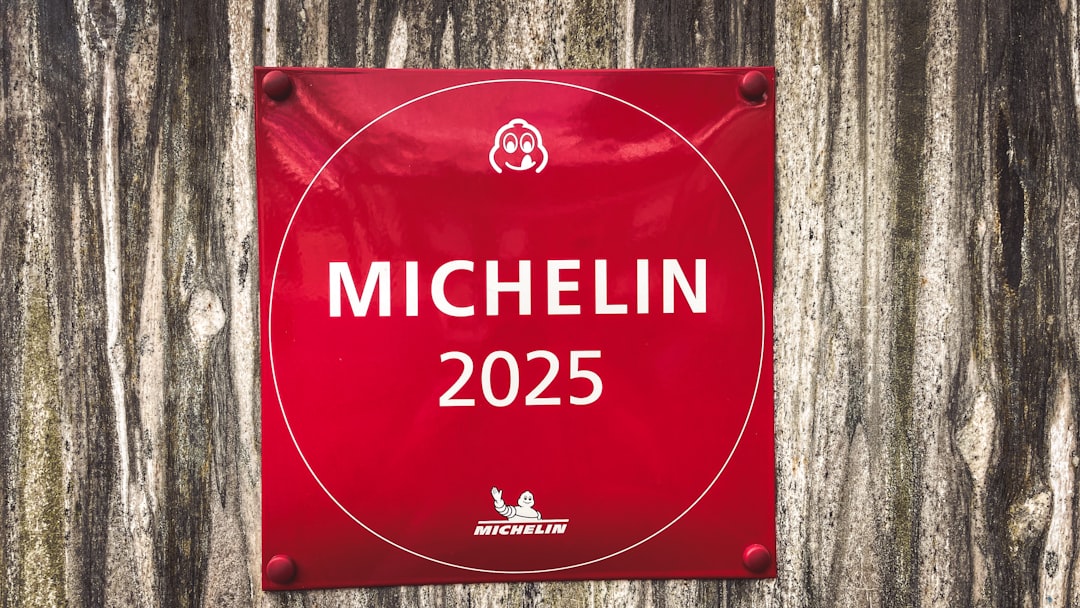
Executing a flawless dining experience at one of the best French restaurants is more than just a meal; it’s a high-level raid that requires preparation, strategy, and precise execution. Like any challenging level, walking in unprepared can lead to a wipe—a wasted evening and a significant hit to your resources. This guide is your tactical playbook, designed to help you navigate the complex mechanics of French haute cuisine, overcome the social bosses, and achieve the victory screen: a perfect, memorable meal.
We’ll break down the entire encounter, from the pre-raid preparation to the final loot drop (the bill). With this strategy, you’ll not only survive the encounter but master it, turning a potentially intimidating experience into a rewarding one. Forget guesswork; it’s time to apply a winning formula.
The Meta-Game: Understanding the French Restaurant ‘Level’
Before you can conquer the best French restaurants, you must understand the game’s core mechanics. French dining isn’t a monolithic entity; it’s a genre with different classes of encounters, each with its own rule set and expected player behavior. Understanding the environment is the first step to victory.
Encounter Types: Bistro, Brasserie, and Haute Cuisine
Recognizing the type of “dungeon” you’re entering is critical for setting expectations and preparing your loadout. These are not interchangeable terms.
- Bistro: Think of this as a standard-difficulty dungeon. It’s a small, casual establishment, often family-owned, serving traditional, hearty fare at a reasonable price point. The meta here is about comfort and rustic authenticity.
- Brasserie: This is a larger, more bustling environment, like a public quest area. Originally linked to breweries, they offer a wider menu, serve all day, and have a lively, energetic atmosphere. The strategy is more flexible, suitable for a quick run or a longer session.
- Haute Cuisine / Gastronomique: This is the endgame raid. These are the Michelin-starred establishments focused on artistry, precision, and the highest quality ingredients. The rules are strict, the mechanics are complex, and the resource cost is high. This is where a flawless strategy is non-negotiable.
Key Terminology: Your In-Game Lexicon
Knowing the language of the game prevents you from making critical errors. These terms are your tooltips for navigating the menu UI.
- À la carte: Ordering individual dishes from the menu. This gives you maximum flexibility but requires you to build your own “synergy” between courses.
- Menu Prix Fixe / Menu Dégustation: A set menu with a fixed price. The “tasting menu” is the chef’s curated experience—a guided tour of the level. This is often the optimal path for first-time players.
- Amuse-bouche: A small, complimentary bite-sized appetizer from the chef. Consider it a free buff before the encounter begins.
- Sommelier: The wine expert. This is a key NPC, not a boss to be defeated. Proper interaction is a major mechanic, which we’ll cover later.
Preparation Phase: Your Pre-Raid Loadout for the Best French Restaurants
Success is determined before you ever set foot in the restaurant. The preparation phase is about intelligence gathering and equipping the right gear. Do not skip this phase; it’s what separates a pro player from a novice.
Gear & Consumables: Dress Code and Reservations
Your “gear” is your attire, and your “consumables” are the tools you bring. Inappropriate gear can get you locked out of the raid instance entirely.
- Objective: To secure entry and appear as a serious player.
- Key Requirements:
- Reservation Confirmation: This is your entry key. Have it ready digitally or printed. For top-tier restaurants, this key may need to be acquired weeks or even months in advance.
- Appropriate Attire (The ‘Gear Set’): Check the restaurant’s dress code online beforehand. “Business casual” is the safe default, but for haute cuisine, a jacket for men is often required. Why? It shows respect for the establishment and the other diners, signaling that you understand the game’s rules.
- Charged Smartphone: Useful for discreetly looking up terms or taking non-flash photos of the food art, but keep it off the table. It’s a tool, not a primary weapon.
Skill Tree Allocation: Research & Recon
This is the most critical part of your preparation. Going in blind is a guaranteed failure. You must allocate time to intelligence gathering.
- Objective: To understand the specific challenges and opportunities of your chosen restaurant.
- Prerequisites:
- Read Recent Reviews: Focus on reviews from the last 3-6 months. Look for patterns in feedback regarding signature dishes, service quality, and pacing. Ignore outlier reviews; look for the consensus.
- Study the Menu Online: Most of the best French restaurants post their current menu online. Identify potential dishes, look up unfamiliar terms, and get a sense of the price structure. This prevents menu paralysis during the actual encounter.
- Know the Chef: Understand the head chef’s philosophy. Are they a traditionalist or an experimentalist? This provides context for the menu and helps you appreciate the “lore” of the level.
- Set Your Budget: Decide on your maximum resource spend (including wine and tip) before you go. This prevents emotional decision-making and post-raid regret.
The Strategy: A Step-by-Step Walkthrough for Dining at the Best French Restaurants
This is the execution phase. Follow these steps methodically to ensure a smooth and successful run. Each phase has its own mechanics and objectives.
Phase 1: Securing the Entry Point (The Reservation)
For elite-level restaurants, getting the reservation is the first boss fight. It’s a game of speed and timing.
- Identify the Booking Window: Find out exactly when the restaurant releases new tables (e.g., “the first of the month at 9:00 AM EST”). Set an alarm.
- Use Multiple Platforms: Have the restaurant’s website, reservation app (like Resy or Tock), and phone number ready. Online slots can be taken by bots in seconds; sometimes a direct call is a viable alternative strategy.
- Be Flexible: If you can’t get a prime-time 7:30 PM slot, consider an earlier (5:30 PM) or later (9:30 PM) time. Off-peak times often have higher availability.
- Confirm Any Special Requests: When booking, mention any dietary restrictions or special occasions. This information allows the staff to prepare and results in a smoother experience.
Phase 2: The Opening Gambit (Arrival & Seating)
The first five minutes inside the restaurant set the tone for the entire evening. This is a social stealth section.
- Arrive on Time: Arrive no more than five minutes early and never late. Punctuality is a sign of respect. Why? A late arrival disrupts the kitchen’s carefully planned timing and can negatively impact your entire service flow.
- Engage the Maître d’: Greet the host warmly and state your reservation name clearly. This is your first point of contact; a positive interaction here can have ripple effects.
- Accept Your Table Gracefully: Unless the table is in a truly terrible location (e.g., next to a service door), accept the one you are given. Requesting a different table can start the encounter on an adversarial note.
Phase 3: Navigating the Menu (The Skill Check)
This is where your pre-raid research pays off. The menu is a puzzle, and your choices determine your success.
- Order an Apéritif: Start with a pre-meal drink like a glass of Champagne or a light cocktail. This gives you time to settle in and study the menu without feeling rushed.
- Decide on Your Path: Prix Fixe vs. À la Carte. For a first run, the tasting menu (prix fixe) is highly recommended. It’s the intended player experience, designed by the chef for optimal pacing and flavor synergy. The best strategy to win at a game like this is often to trust the developer’s design. Going à la carte offers more control but carries the risk of creating an unbalanced meal.
- Ask Intelligent Questions: Use your research. Instead of “What’s good here?” ask, “I was considering the duck confit; is that a signature dish, or is the chef particularly proud of the turbot this season?” This shows you’re an engaged player.
- Pace Your Choices: If ordering à la carte, don’t order everything at once. Order your appetizers first, and then decide on your main course later. This gives you more control over the pacing of the meal.
Phase 4: The Sommelier Encounter (The Social Boss)
The sommelier can be intimidating, but this NPC is a powerful ally if you know the mechanics of the dialogue tree.
- Communicate Your Preference and Budget: This is the secret to winning this encounter. Be direct. Say, “We are having the roasted chicken and the scallops. We enjoy dry white wines like Sancerre and would like to stay in the $80-$100 range.”
- Use the Pointing Method: If you are uncomfortable stating a price, simply point to a wine on the list in your desired price range and say, “I was thinking of something like this.” The sommelier will understand the signal perfectly. Why? This is a universally understood, discreet tactic that removes any potential awkwardness.
- Trust Their Recommendation: Once you’ve given them your parameters, trust their choice. They know the cellar better than you do and want you to have a great experience. Accepting their first or second suggestion is standard protocol.
Phase 5: The Final Boss (Pacing and Etiquette)
This is the endurance phase. Maintaining proper etiquette and enjoying the final stages of the meal is key to a 100% completion score.
- Follow Utensil Cues: The classic rule is to work from the outside in. Your silverware is arranged in the order you will use it.
- Signal Completion: When you are finished with a course, place your knife and fork together on the plate in the 4 o’clock position. This is the non-verbal signal to the staff that you are ready for the plate to be cleared.
- Manage the Bill Discreetly: When the bill arrives, review it quickly but don’t perform a forensic audit at the table. If there is a clear error, handle it quietly with your server. Tipping standards vary by region, so know the local custom (in the U.S., 18-20% is standard; in France, service is often included).
Common Pitfalls: How Players Wipe on This Level
Many players fail this encounter due to simple, avoidable mistakes. Study these common pitfalls to ensure you don’t repeat them.
- Menu Paralysis: The player is overwhelmed by the menu choices because they did no pre-raid research. This leads to a rushed, poor decision.
- The Sommelier Intimidation: The player is too intimidated to state their budget, resulting in a wildly overpriced wine suggestion that they feel pressured to accept. This is a critical resource management failure.
- Pacing Mismatch: The player tries to rush through a tasting menu, or conversely, lingers for far too long. Respect the pacing set by the kitchen; it’s designed for optimal enjoyment.
- Ignoring the Dress Code: Showing up underdressed. This is an unforced error that signals a lack of respect for the game and can result in being denied entry.
- Loud Conversation: Haute cuisine restaurants are designed for a specific ambiance. Treating it like a casual brasserie disrupts the experience for everyone else. Maintain situational awareness.
Frequently Asked Questions (FAQ)
What is the real difference between a Bistro and a Brasserie?
Think of it in terms of game scope and session time. A Bistro is a smaller, more intimate “instance” with a limited, often slow-cooked, traditional menu. The experience is cozier and more focused. A Brasserie is a larger, more open-world “zone.” They are open longer hours, have much larger menus with classic, quick-to-prepare dishes (like steak frites or oysters), and serve many more people in a louder, more energetic environment. Choose a bistro for a quiet, deep-dive session and a brasserie for a more flexible, high-energy game.
Is the tasting menu (prix fixe) worth it for a first-time player?
Absolutely. For a first-time visit to one of the best French restaurants, the tasting menu is almost always the optimal strategy. It’s the “developer-intended” path. You are guaranteed a balanced, well-paced experience where the dishes are designed to complement one another. It removes the stress of making multiple complex choices and allows you to experience the full range of the chef’s skill. While it may seem like a high initial resource cost, it often provides better value than ordering the equivalent courses à la carte.
How should I handle a dish I genuinely don’t like?
This is a delicate situation. First, determine if the dish is not to your taste or if it is legitimately flawed (e.g., undercooked, oversalted). If it’s simply not to your taste, it’s generally best to eat what you can and say nothing. However, if there is a clear technical flaw, you should politely and discreetly inform your server. Use phrases like, “I’m sorry, but I believe my fish may be a bit undercooked.” A top-tier restaurant will want to correct the error immediately and will almost always replace the dish without issue. Think of it as submitting a bug report—be polite, specific, and do it quietly.
Can I find great French food on a budget? Is there an F2P strategy?
Yes, the “Free-to-Play” or budget-conscious strategy for French cuisine is to focus on Bistros and Brasseries, especially during lunch. Many high-end restaurants offer a significantly cheaper lunch prix fixe menu that provides a taste of their quality without the endgame raid price tag. Look for the “menu du jour” (menu of the day) at local bistros, which is always the best value. The strategy is to shift your playtime to off-peak hours (lunch) and focus on the game modes (bistros) that offer the best resource-to-reward ratio.
Mastering the art of dining at a top French restaurant is a skill. It requires the same mindset as beating a challenging game: study the mechanics, prepare your loadout, and execute your strategy with confidence. By following this guide, you’ve equipped yourself with the knowledge to turn a potentially daunting challenge into a victorious and delicious experience. Now you’re ready to take on the level.
Be sure to comment below if this article helped you!
Leave a Reply