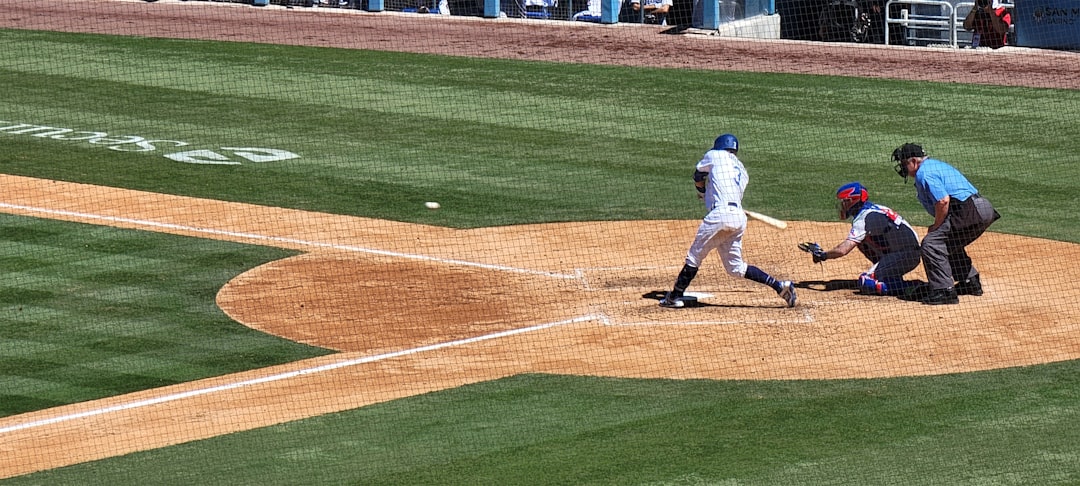
Facing off in a pivotal dodgers game within MLB The Show can feel like stepping into a final boss arena. Whether you are commanding their all-star roster or attempting to dismantle their powerhouse lineup, victory demands more than just luck; it requires a precise, tactical approach. This guide is your playbook, designed to break down the mechanics, strategies, and critical decision-making moments that separate a close loss from a dominant win. We’re here to turn your controller into a manager’s clipboard and guide you to that victory screen.
Mastering the Dodgers Game: Core Objectives and Mindset
In MLB The Show, “winning” is a multi-faceted objective. It’s not simply about having a higher score after nine innings. True mastery involves controlling the tempo of the game, executing situational plays, and systematically breaking down your opponent’s will, whether they are AI on Legend difficulty or a human player in a ranked season. Your primary goal is to enforce your game plan from the very first pitch.
This guide tackles two distinct scenarios: playing as the Los Angeles Dodgers to maximize their strengths, and playing against them, focusing on exploiting their few, well-hidden weaknesses. The core principles of plate discipline, strategic pitching, and bullpen management are universal, but their application changes drastically depending on which dugout you’re in.
The Two Fronts: Playing AS vs. AGAINST the Dodgers
When you control the Dodgers, your objective is to overwhelm the opponent with offensive firepower while leveraging a deep pitching staff. You are the aggressor, and your strategy should reflect that confidence. You have the tools to score in any inning and shut down any rally.
Conversely, when facing the Dodgers, your objective is survival and opportunism. You must weather the storm of their top-tier hitters, pitch carefully to avoid the big inning, and capitalize on the rare mistakes they make. This is a game of tactical defense and clutch, timely offense.
Pre-Game Preparation for Your Dodgers Game Matchup
Victory is often decided before the first pitch is ever thrown. Your preparation in the menus—setting lineups, scouting opponents, and understanding matchups—is as critical as your execution with the controller. Do not skip this phase.
Roster and Lineup Optimization (Playing AS the Dodgers)
Commanding the Dodgers means wielding a roster packed with MVP-caliber talent. Your primary task is to arrange this talent for maximum efficiency. Don’t just stack your best hitters 1-2-3; create a balanced lineup that creates constant pressure.
- Key Requirement: Balanced Lineup Construction. Alternate between left-handed and right-handed hitters where possible (e.g., Ohtani (L), Betts (R), Freeman (L)). This forces your opponent into difficult pitching decisions, especially with their bullpen in the late innings.
- Key Requirement: Leverage Player Attributes. Place high-contact, high-vision hitters like Mookie Betts at the top of the order to see more pitches and get on base. Position your power threats like Shohei Ohtani and Freddie Freeman in spots where they are likely to bat with runners on.
- Key Requirement: Know Your Bench. Your bench isn’t just for rest days. Identify your best pinch hitter against lefties, your top pinch hitter against righties, and your fastest player for a crucial pinch-running situation.
- Key Requirement: Bullpen Roles. Before the game, mentally assign roles. Who is your long reliever if the starter gets blown up early? Who is your 7th-inning setup man? Who is your high-leverage lefty specialist? Knowing this prevents panic-driven decisions in the heat of the moment.
Scouting the Opposition (Playing AGAINST the Dodgers)
Facing the Dodgers requires a surgical game plan. Going in blind is a recipe for a quick exit. Use the pre-game menus to dissect their lineup and identify any potential advantage, no matter how small.
- Prerequisite: Analyze Pitcher-Batter Matchups. Before starting, review the matchup stats. Does your starting pitcher have a history of success against their key hitters? If a certain Dodger slugger hits .450 against your starter, you need a plan for how you’re going to pitch to them before they step into the box.
- Prerequisite: Study the Hot/Cold Zones. Every hitter in MLB The Show has a zone map showing where they excel (red zones) and where they struggle (blue zones). Your entire pitching strategy against a player like Freddie Freeman should be built around avoiding his red zones and attacking his blue zones.
- Prerequisite: Identify the Weak Link. No lineup is perfect. Find the player with the lowest “Clutch” rating or the one most prone to strikeouts. This is the player you can attack aggressively to get a key out and end a threatening inning.
- Prerequisite: Plan for Their Ace. If you’re facing one of the Dodgers’ top starting pitchers, your offensive strategy must change. Your goal is to drive up their pitch count. A win might not be a 10-run blowout, but a 3-2 victory where you force their ace out of the game in the 6th inning.
The Strategy: A Step-by-Step Guide to Winning a Dodgers Game
This is the execution phase. We will break down a typical nine-inning game into three distinct stages, each with its own set of tactical priorities. This framework will help you understand how to win a game by controlling its flow from start to finish. Note: This strategy is optimized for the current MLB The Show 24 patch but the principles apply broadly.
The Opening Innings (1-3): Establishing Dominance
The first three innings are about setting the tone. Your goal is to establish your game plan, probe for weaknesses, and either build an early lead or keep the game tight while draining the opposing starter’s energy.
- Execute a Patient First At-Bat. Regardless of whether you are playing as or against the Dodgers, your leadoff hitter’s job is to see pitches. Take a strike. Work the count to 2-1 or 3-1. Why? This gives you an early look at your opponent’s pitching tendencies and repertoire. More importantly, it drives up the starting pitcher’s pitch count, which is a critical resource you want to deplete as quickly as possible.
- Pitch with a Purpose. Your first time through the order, focus on establishing your primary pitches. Use your fastball to get ahead in the count and your off-speed pitches to generate outs. Against the Dodgers’ stars, avoid the heart of the plate at all costs. Why? Giving up a solo home run to Shohei Ohtani on a mistake pitch in the first inning is a massive momentum killer. It’s better to walk him than to give up an extra-base hit.
- Apply Early Baserunning Pressure. If you get a fast runner on base, don’t be afraid to attempt a steal, especially with two outs. Why? A runner in scoring position completely changes the dynamic of an inning. It forces the pitcher to work from the stretch and can lead to mistake pitches to the current batter. This simple act can manufacture a run out of thin air.
The Middle Innings (4-6): The Tactical Grind
This is where games are often won or lost. Starters begin to tire, benches come into play, and strategic decisions carry more weight. Your focus shifts from establishing a tone to actively managing your resources and exploiting the opportunities you created in the early innings.
- Monitor Pitcher Stamina and Confidence. Pay close attention to your pitcher’s energy bar. Once it drops into the yellow, the accuracy of their pitches will decrease, and mistake pitches become more frequent. Start warming up a reliever before you actually need one. Why? Bringing in a cold reliever from the bullpen is a massive risk. A warmed-up pitcher is ready to execute from their very first pitch, which is crucial if you’re bringing them into a high-leverage situation with runners on base.
- Employ Situational Hitting. With a runner on third and less than two outs, your goal is to score that run, not hit a home run. Shorten your swing and focus on making contact. A sacrifice fly or a ground ball to the right side of the infield is a productive out. Use the hit-and-run with a high-contact hitter at the plate and a runner on first. Why? These “small ball” tactics are how you win tight games. Manufacturing runs puts pressure on your opponent and builds momentum without relying on the long ball.
- Utilize Defensive Shifts. The game provides data on where batters tend to hit the ball. Use the in-game defensive shift system against extreme pull-hitters like Freddie Freeman. Shift your infield to the right side. Why? This turns routine singles into easy groundouts. It’s a simple, data-driven way to take hits away and support your pitcher, lowering their pitch count and keeping them in the game longer.
The Late Innings (7-9): Closing It Out
This is the endgame. Every pitch, every swing is magnified. Your strategy must now focus on protecting a lead or mounting a final comeback. Bullpen management and plate discipline are paramount.
- Master Bullpen Matchups. This is no longer about just bringing in a fresh arm; it’s about bringing in the right arm. Pay attention to lefty/righty splits. If a tough left-handed hitter is coming up, bring in your left-handed specialist (LOOGY). Save your closer for the highest-leverage situation, which may not always be the 9th inning. Why? A single, well-managed matchup can be the difference between a game-winning hit and an inning-ending strikeout. Using your closer to get out of a bases-loaded jam in the 8th is more valuable than having them pitch a clean 9th.
- Shrink the Strike Zone. As a hitter in a late-inning, high-pressure situation, you must be incredibly patient. Your opponent’s relief pitchers will have high-velocity fastballs and devastating breaking pitches. They want you to chase. Force them to throw you a strike. Why? Working a walk is just as good as a single. It keeps the line moving and puts pressure on a pitcher who is trying to be perfect. Swinging at a slider in the dirt is the fastest way to kill a rally.
- Secure the Final Out with Confidence. When you’re on the mound with a lead in the 9th, attack the hitters. Trust your closer’s best pitches. Don’t get cute and try to fool hitters with your fourth-best pitch. Challenge them with your best stuff. Why? Nerves can lead to tentative pitching, which results in walks and mistakes. Pitching with confidence and aggression forces the batter to be perfect, and in a pressure situation, that gives you the advantage.
Common Pitfalls in an MLB The Show Dodgers Game
Even with a perfect strategy, simple mistakes can unravel a game. Recognizing these common pitfalls is the first step to avoiding them. Many players lose not because they were outmatched, but because they made a critical unforced error.
- Pitching Predictability. The single biggest mistake is falling into a pattern. If you throw a first-pitch fastball to every batter, your opponent (AI or human) will sit on it and crush it. You must vary your pitch selection, location, and sequencing to keep hitters off-balance.
- Negligent Bullpen Management. Leaving a clearly exhausted starter in the game for one more batter is a classic blunder. The moment their energy is in the red and their confidence is wavering, their effectiveness plummets. This is how a 2-1 lead turns into a 5-2 deficit in the span of three pitches.
- Lack of Plate Discipline. Swinging at everything is a death sentence. It leads to weak contact, quick outs, and allows the opposing pitcher to breeze through innings with an impossibly low pitch count. A pitcher who only has to throw 10 pitches per inning will still be fresh and effective in the 8th.
- Ignoring In-Game Data. The game constantly provides you with valuable information, from batter hot zones to pitcher-hitter history. Ignoring this data and just “playing” is like trying to solve a puzzle with your eyes closed. Use the information to make informed, tactical decisions.
Dodgers Game Strategy FAQ
What’s the best difficulty setting to practice for a competitive Dodgers game online?
To prepare for online ranked seasons, you should practice on at least All-Star difficulty, but preferably Hall of Fame. The pitch speeds and Plate Coverage Indicator (PCI) sensitivity on these settings most closely mimic the online competitive experience. Playing on Rookie or Veteran will build bad habits, as pitch speeds are much slower and the margin for error is significantly larger.
How do I effectively pitch to Shohei Ohtani in MLB The Show 24?
Pitching to Ohtani is a masterclass in risk management. He has immense power covering the entire plate. The key is to never throw him the same pitch in the same location twice in a row. Start him with a high-and-inside fastball to jam him, then follow up with a slider low-and-away. Avoid the middle of the plate at all costs. If you fall behind in the count 3-1 or 3-0, it is often strategically better to walk him than to serve up a cookie that he can hit 500 feet, especially if there is no one on base.
What are the most important player attributes to focus on when building a team to beat the Dodgers?
When building a “Dodgers-killer” team in a mode like Diamond Dynasty, prioritize these attributes:
- Pitching – H/9 (Hits per 9 innings): This is the most critical attribute for pitchers. It shrinks the batter’s PCI, making it harder for them to make solid contact.
- Pitching – K/9 (Strikeouts per 9 innings): This widens the edges of the strike zone for called strikes on borderline pitches.
- Batting – Contact (vs L and R): To combat the Dodgers’ elite pitching, you need hitters who can make contact and put the ball in play, not just home run threats.
- Batting – Clutch: This attribute provides a significant boost to a hitter’s overall effectiveness with runners in scoring position. Since runs will be at a premium, you need players who excel in these high-leverage moments.
Is it better to use button-based or analog controls for hitting and pitching?
This largely comes down to personal preference, but for competitive play, most top players lean towards a specific combination. For hitting, Zone Hitting with button input offers the most control, allowing you to move the PCI to the ball’s location and swing with a button press. For pitching, Pinpoint Pitching (an analog-based system) provides the highest degree of accuracy and is the meta for online play. It has a steep learning curve but offers a significant competitive advantage once mastered.
Winning a high-stakes dodgers game in MLB The Show is a test of skill, strategy, and mental fortitude. By preparing meticulously, executing a phased game plan, and avoiding common mistakes, you can consistently put yourself in a position to succeed. This playbook provides the tactical foundation; now it’s time to step onto the virtual diamond and execute. Control the pace, manage your resources, and claim your victory.
Be sure to comment below if this article helped you!
Leave a Reply